Asphalt Paving Services
At National Pavement Partners, we work directly with commercial property owners to plan and complete asphalt paving projects with minimal disruption to daily operations. Our teams focus on evaluating site conditions, coordinating work efficiently, and delivering tailored pavement solutions that support your business’s unique needs.

Your Trusted Asphalt Paving & Repair Company
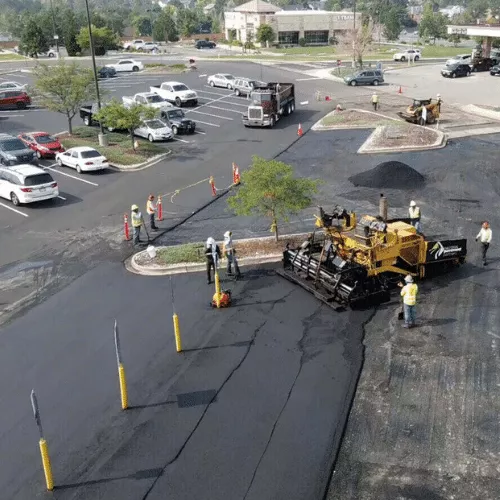
Managing a commercial property means balancing maintenance needs with schedules, budgets, and tenant expectations. Choosing the right asphalt paving company plays a big role in that process. National Pavement Partners works alongside property owners and facility managers to plan and execute commercial asphalt paving projects with those realities in mind.
With headquarters in Denver, CO, and teams working in markets like Phoenix, AZ, and Albuquerque, NM, our self-performing crews manage projects from the first walkthrough to the final striping. This allows for clear communication, consistent workmanship, and fewer surprises along the way.
See What Our Customers Are Saying
You can always trust National Pavement Partners to deliver outstanding results for your asphalt paving projects. Our 5-star reviews from past customers speak for themselves.
“I have worked with many of the team members at National Pavement Partners for years. As one of there certified partners here in Colorado we work together very well throughout the year. No job too big or too small for N.P.P. Great company!”
James C
“A Great company with knowledgeable staff and is truly a pleasure to work with!”
John Deuce
“Zach and his team are amazing to work with. The team is very professional and completed the work on time.”
Chad Andersen
“My continued experience with National Pavement Partners has been proven to be an amazing partnership! Thank you.”
Nick Jordan What Is Asphalt Typically Used For?
Asphalt is used across commercial properties because it adapts well to changing traffic demands, weather conditions, and long-term maintenance planning. Knowing where asphalt performs best makes it easier to plan improvements rather than react to surface failures later.
Commercial roadways rely on asphalt paving for its ability to support repeated traffic while maintaining a smooth driving surface. Its flexibility helps manage stress from vehicle loads and temperature changes, and its recyclability allows roadway systems to be updated over time without extended closures or unnecessary material waste.
Overlay and resurfacing are often used when pavement surfaces show visible wear, but the underlying structure is still in good condition. Installing a new asphalt section over a properly prepared surface gives worn pavement a smoother, more uniform driving surface while extending its usable life.
In many cases, surface preservation approaches such as microsurfacing are used alongside overlays to help slow future deterioration.
As commercial properties grow or change, parking areas often need to expand to keep up with traffic and usage. Asphalt allows new pavement sections to tie smoothly into existing surfaces, creating consistent performance across the site. Expansion planning also considers drainage, traffic flow, and future maintenance to avoid uneven wear down the road.
Reclamation and repaving are typically used when pavement has reached a point where surface repairs alone are no longer enough. By reusing existing materials and rebuilding the pavement structure, this approach improves performance while helping control material and hauling costs. Processes that include asphalt milling prepare the surface for longer-term service without full removal.
Potholes and localized pavement failures tend to show up at the worst possible time. Left unaddressed, they can create safety concerns and accelerate surface damage. National Pavement Partners evaluates each area to determine whether a short-term repair or a more permanent solution makes the most sense.
Our asphalt repair methods include:
- Skin Patches: Surface-level repairs for shallow damage under two inches.
- Partial Depth Patches: Repairs that replace damaged asphalt layers while preserving the existing base.
- Full-Depth Patches: Structural repairs are used when both surface and base layers have failed.
- Infrared Patching: A seamless, thermally bonded repair method suited for minor to moderate pavement failures.
When pavement shows widespread alligator cracking, patching is no longer effective, and full reconstruction is required to address subgrade failure.
Our Asphalt Paving Process
Every asphalt paving project starts with understanding the condition of the site and how the surface is expected to perform over time. National Pavement Partners follows a proven process that allows our asphalt paving contractors to deliver consistent results while minimizing disruption to daily operations.

Initial Assessment: We inspect your existing surface and prep the site for new pavement.

Drainage Setup: Our crew installs catch basins and other drainage solutions to protect against future water damage.

Asphalt Application: Fresh asphalt is laid with precision and care.

Compact & Rolling: The Surface is smoothed and compressed for durability and a professional finish.

Finishing Touches: We stripe, sign, and mark the pavement according to your specifications.
Asphalt vs. Concrete: Which Is Better?
This is a common question for commercial property owners, and the honest answer is that it depends on how the paved area will be used. Traffic volume, load weight, drainage needs, and long-term maintenance planning all influence which surface makes the most sense.
In most cases, the right choice comes down to how the surface will be used, how often it will need to be accessed or repaired, and how it fits into long-term maintenance planning.
Asphalt paving is often the better fit for:
- Commercial roadways and parking areas with steady, repeating traffic
- Properties that need good traction and smooth traffic flow
- Sites where future repairs, adjustments, or expansions may be required
- Owners looking for a cost-effective surface that can be maintained over time
Concrete paving is typically used for:
- Areas that support heavy, concentrated loads
- Loading docks, curbing, and ramp areas
- Locations where rigidity and water management are priorities
- Specific-use zones rather than broad traffic movement areas
Types of Asphalt We Use
Just as one commercial property differs from the others, so do their paving needs. Factors like traffic levels and weather conditions are all critical in choosing the right material. National Pavement Partners selects asphalt types based on performance needs, not one-size-fits-all solutions.
Our asphalt choices include:
- Hot Asphalt: Hot asphalt is a permanent paving solution commonly used for full paving and patching projects. It is installed at high temperatures for proper compaction before cooling, creating a strong, durable surface suited for high-traffic commercial areas.
- Warm Mix Asphalt: Installed at lower temperatures than traditional hot asphalt, warm mix asphalt allows for a longer paving season and greater flexibility when transporting materials to the job site, while still delivering the long-term performance commercial properties need.
- Porous Mix Asphalt: Porous mix asphalt is designed to allow water to drain through the surface rather than pool on top. It is often used in parking areas and other paved spaces where managing surface water is a priority. By improving drainage, porous asphalt can help reduce standing water and improve overall site safety.
- Dense Grade Asphalt: Dense-grade asphalt is a general-purpose mix used throughout pavement systems. It provides a solid balance of strength and flexibility, making it suitable for multiple pavement layers that need to withstand ongoing traffic and changing weather conditions.
What Causes Asphalt Deterioration?
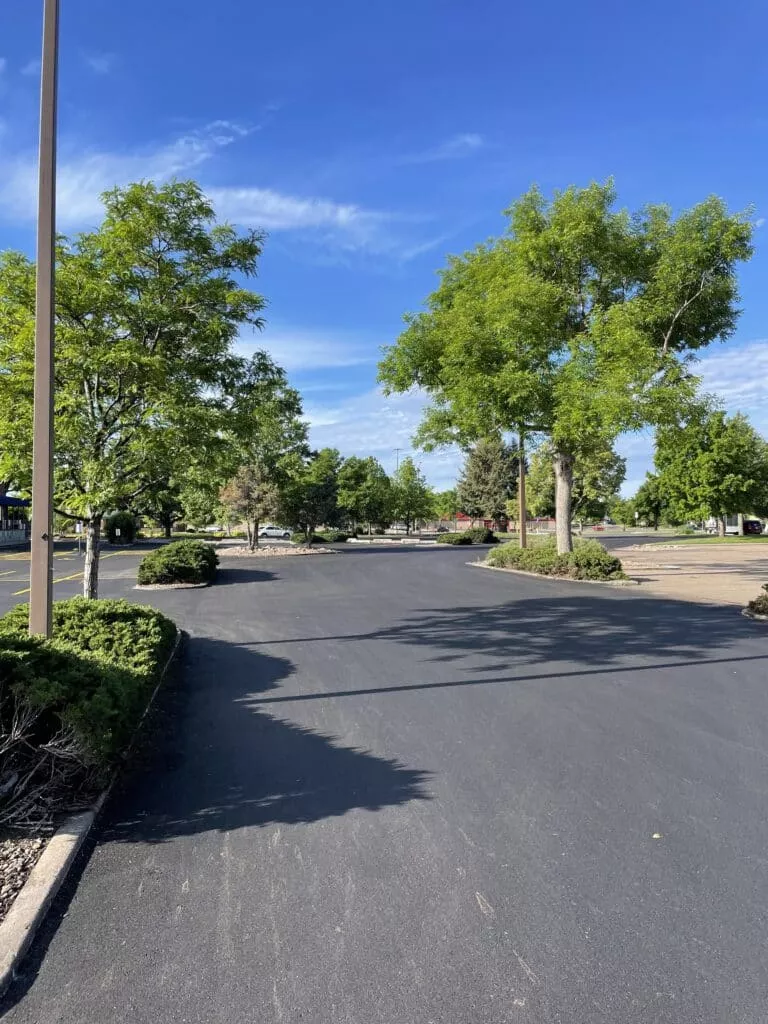
A pavement’s long-term performance depends heavily on what lies beneath the surface. Even newly installed asphalt can deteriorate early if the underlying base is compromised. When the subgrade is too thin, soft, or damaged, it cannot properly support traffic loads.
Other common contributors to asphalt deterioration include:
- Frequent or overloaded traffic
- Poor drainage or standing water
- Oil, fuel, and chemical spills
- Lack of routine maintenance
- Harsh or fluctuating weather conditions
How to Ensure Asphalt Longevity
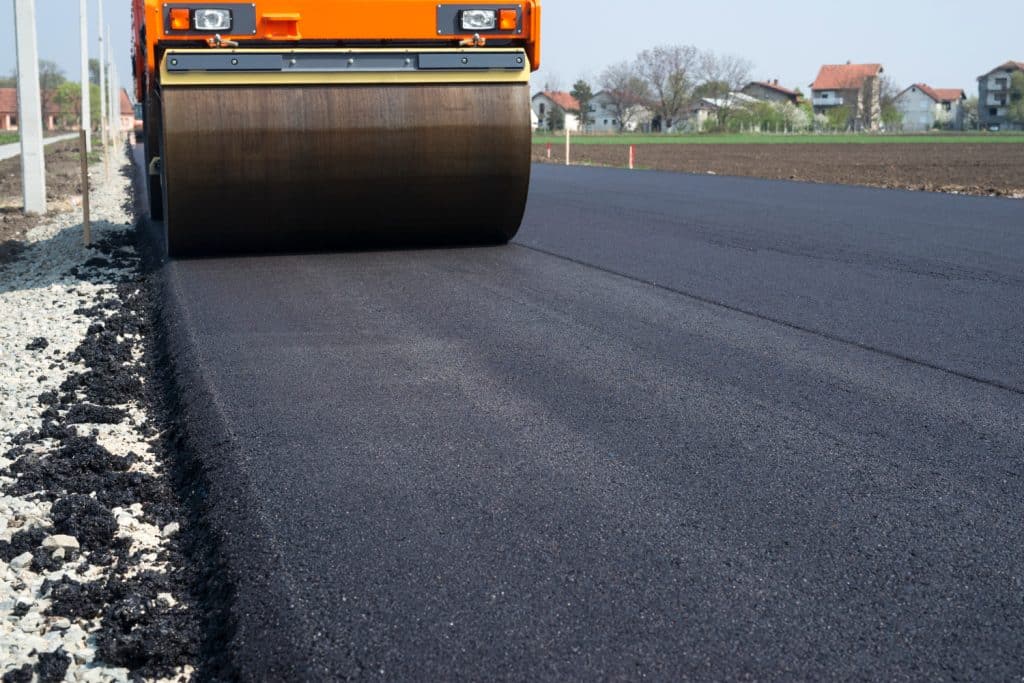
Ongoing preventive maintenance is key to keeping your asphalt in top shape. Our professional services help preserve your pavement’s structural integrity, prevent costly damage, and keep it looking (and performing) great for as long as possible.
National Pavement Partners offers asphalt milling & paving services in:
- Arizona
- New Mexico
- Southern Wyoming
- and more!
Our Offices
The Mountain West's Premier Paving & Concrete Pros
National Pavement Partners is the name you think of for quality paving repair, maintenance, and installation services. We are proud to serve communities throughout the nation, including Colorado, Arizona, New Mexico, Utah, and Wyoming.
- 101 E. Washington St. Suite 809 Phoenix AZ 85004
- Phone: 602-345-0984
- 504 Carmony Rd. NE Albuquerque, NM 87107
- Phone: 505-404-3120
Outside of our service area? Our brilliant Pave America partners can help!

Asphalt Paving FAQs
What is asphalt paving?
In simple terms, asphalt paving is how parking lots, roadways, and access areas are built or rebuilt using an asphalt surface. It’s a popular option for commercial properties because it installs efficiently and holds up well under regular traffic when it’s maintained the right way.
When is the best time to pave my parking lot?
Most paving projects are scheduled during warmer, drier months. Spring through early fall usually offers the conditions needed for proper installation and compaction. That said, timing often comes down to your site schedule, traffic needs, and weather windows.
Do you pave driveways?
We focus strictly on commercial work. While we don’t handle small residential projects, we do pave commercial drive lanes, access roads, and other paved areas designed for regular vehicle use.
How hot is asphalt when paving?
Asphalt is installed at high temperatures, typically between 220°F and 300°F. That heat is what allows the material to be spread, compacted, and finished correctly before it cools and hardens.
When is it safe to drive on newly installed asphalt?
In most cases, you’ll want to wait at least 24 to 48 hours before opening the surface to traffic. Weather and site conditions can affect that timeline, but giving the asphalt time to set helps avoid early issues like tire marks or surface impressions.