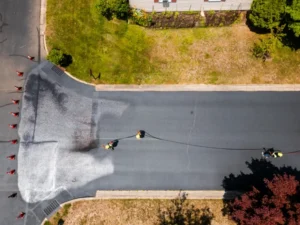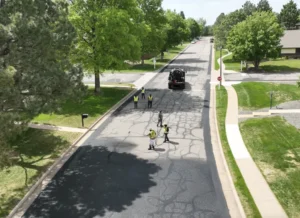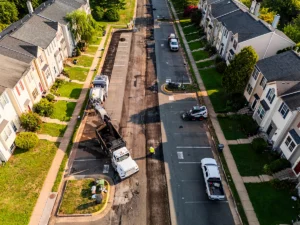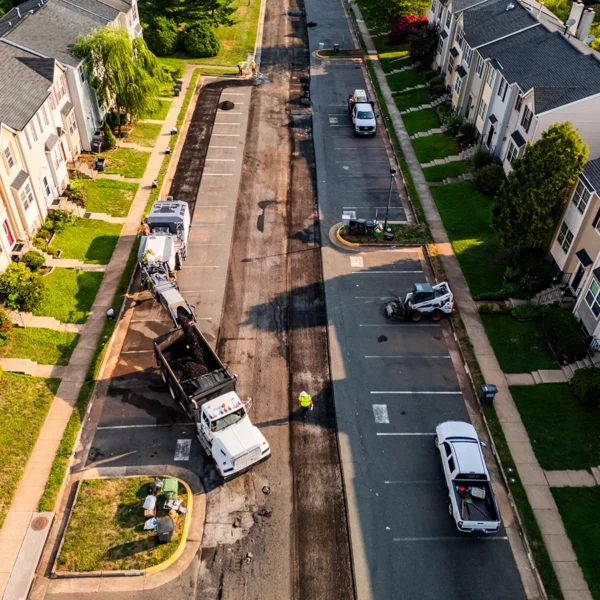
Pavement maintenance for HOA management includes the ongoing inspection, repair, preservation, and planning for shared asphalt and concrete surfaces. For HOA boards and property managers, a proactive approach helps address pavement problems early and make long-term projects easier to plan and budget.
National Pavement Partners works with HOAs and community associations to assess pavement conditions and develop customized maintenance strategies using detailed maps, photographs, and project updates. Below, we break down five key steps for effective HOA pavement maintenance: assess, prioritize, treat, plan, and document.
Assess the HOA’s Pavement Assets and Current Conditions
Start pavement maintenance for HOA communities by confirming which roads, parking areas, sidewalks, curbs, ramps, markings, and drainage features the HOA must maintain. If responsibility is unclear, review governing documents, plats, maintenance agreements, and local records before planning work.
Next, inventory these surfaces and inspect their current condition. Note the location, material, size, and function of each area, and use photographs and maps to track changes over time. Schedule recurring inspections based on pavement condition, traffic, climate, drainage, and maintenance history, with additional checks after severe weather, flooding, utility work, or construction.
Short Inspection Checklist
Look for:
- Cracks and alligator cracking
- Potholes and failed patches
- Surface raveling
- Rutting or settlement
- Standing water or drainage problems
- Uneven sidewalks or damaged curbs
- Faded traffic and parking markings
- Issues affecting resident, pedestrian, or emergency access
Prioritize Problems and Match Them With the Right Treatment
Not every pavement problem requires the same solution. Prioritize work based on the cause, severity, and extent of the damage, addressing urgent access, drainage, and structural problems before preventive or surface treatments.
Immediate Repairs
Address potholes, unstable pavement, drainage failures, and serious pedestrian or access hazards first. Localized patching or infrared repair may work for some asphalt damage, while failures extending into the base may require deeper repairs.
Preventitive Maintenance
Crack filling or sealing prevents isolated cracks from spreading, while sealcoating helps protect asphalt that is still structurally sound. Sealcoating cannot repair potholes, alligator cracking, depressions, or base failure.
Resurfacing or Reconstruction
Widespread deterioration may require microsurfacing, resurfacing, milling, or reconstruction. A professional pavement assessment determines whether surface rehabilitation is sufficient or the underlying pavement structure needs to be rebuilt.
Coordinate Connected Work
Plan HOA road maintenance and asphalt repairs alongside concrete curbs, sidewalks, ramps, drainage, and pavement markings. Correct drainage problems before repairing water-damaged pavement, and account for applicable accessibility requirements, including spaces, access aisles, signage, routes, and slopes.
Build a Multiyear HOA Pavement Maintenance Plan
Turn inspection findings into a multiyear pavement maintenance plan that fits the HOA’s priorities and budget. Rather than following a fixed schedule, organize projects based on pavement condition, access needs, drainage, available funding, and community impact:
- Address now: Repair conditions that affect access or require prompt attention.
- Maintain next: Schedule preventative treatments for pavement that is still in serviceable condition.
- Plan ahead: Budget for resurfacing, reconstruction, or larger concrete projects.
For larger communities, phasing work into manageable areas simplifies budgeting and coordination. Reevaluate the plan as pavement conditions, costs, and community needs change.
Coordinate Pavement Work Around Residents
HOA pavement projects take place in active communities, so access and communication should be part of the plan. When scheduling work, consider parking, entrances, pedestrian routes, deliveries, waste collection, and emergency access, and use phased closures or alternate routes when appropriate.
Communication checklist
Before work begins, communicate:
- Work areas and project scope
- Anticipated schedule
- Parking and vehicle-removal instructions
- Temporary entrance or route changes
- Delivery and waste-collection impacts
- Emergency-access plans
- Weather contingencies
- Reopening instructions
- Project contact information
Document Completed Work and Keep the Plan Current
Keep records of completed work, including proposals, invoices, warranties, pavement maps, and before-and-after photos. Good documentation helps future boards and property managers understand what was completed, what was deferred, and what may need attention next.
National Pavement Partners also provides maps, progress photos, timeline updates, and final documentation to help HOAs keep their maintenance plans current.
Build an HOA Pavement Maintenance Plan With NPP
National Pavement Partners helps HOA boards and property managers across Colorado, Arizona, and New Mexico assess asphalt, concrete, drainage, markings, and other shared pavement needs. We provide a prioritized plan, complete approved work, document results, and help communities plan ahead instead of reacting to problems as they arise.
HOA Pavement Maintenance FAQs
What should an HOA pavement inspection include?
Pavement maintenance for HOA communities starts with inspecting association-maintained roads, parking areas, sidewalks, curbs, drainage, and pavement markings. Look for cracks, potholes, settlement, standing water, and other damage.
Who is responsible for maintaining HOA private roads?
Responsibility for HOA private roads depends on the community’s governing documents and maintenance agreements. Review these records to confirm which roads the association maintains.
How should an HOA prioritize pavement repairs?
Address urgent access, drainage, and safety concerns first. Then prioritize preventive maintenance and larger rehabilitation projects based on pavement condition and community needs.
What is the difference between pavement maintenance, resurfacing, and reconstruction?
Maintenance preserves serviceable pavement, while resurfacing replaces or rehabilitates the surface. Reconstruction rebuilds pavement when deterioration extends into the underlying structure or base.
How often should an HOA restripe its parking lot?
Restripe when markings become faded or after pavement work affects existing lines. Proper HOA parking lot striping also helps maintain visibility, organization, and ADA compliance.
How much does HOA pavement repair cost?
Parking lot repair costs depend on pavement condition, repair type, project size, drainage needs, and other site factors. Request a professional assessment for property-specific pricing.