When pavement begins to show signs of wear, one of the most common questions property owners ask is: What type of repair is actually needed? The answer depends on the condition of the asphalt, the extent of the damage, and the long-term goals for the property.
At National Pavement Partners, we help property owners determine the right solution based on the current condition of their pavement—not just the visible surface damage. In many cases, the right approach can extend pavement life and reduce long-term costs significantly.
Below is a breakdown of the differences between patching, resurfacing, and full reconstruction, along with how to determine which option may be best for your lot.
Patching
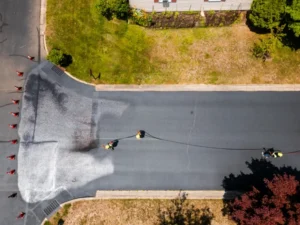
Patching is a localized repair used to address isolated problem areas such as potholes, surface depressions, or sections of damaged asphalt.
During the process, the damaged portion of asphalt is removed and replaced with new material to restore a safe, functional surface.
Patching is a fast, cost-effective way to prevent small issues from spreading into larger structural failures. It’s often the best short-term maintenance solution when the majority of the pavement is still in good condition.
Resurfacing
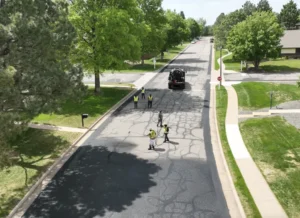
Resurfacing, also known as an asphalt overlay, involves placing a new layer of asphalt over the existing pavement surface.
Before resurfacing begins, damaged areas are typically repaired to create a stable foundation for the new overlay.
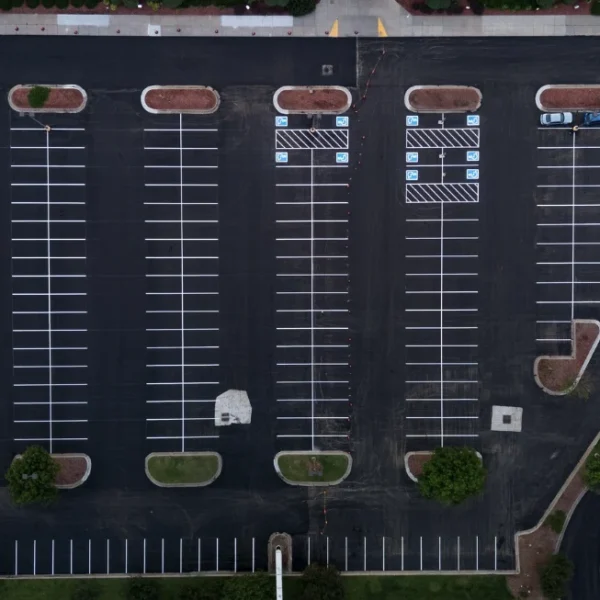
Resurfacing restores appearance, improves drivability, and extends pavement life without the higher cost of full reconstruction. It’s a strong option when the base structure remains stable, but the surface has significantly deteriorated.
Reconstruction
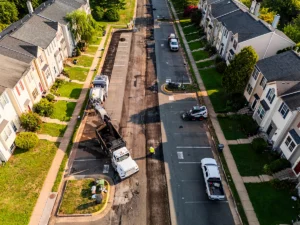
Reconstruction is the complete removal and replacement of the pavement structure, including the asphalt and underlying base layers if necessary.
This process is used when pavement damage is severe and the structural integrity of the lot has failed.
While reconstruction is the largest investment upfront, it provides a completely new pavement system design for long-term performance. In heavily damaged lots, reconstruction is often more cost-effective than repeated temporary repairs.
Patching, resurfacing, and reconstruction each serve a different purpose in pavement maintenance. Understanding the differences can help property owners make informed decisions that protect both their investment and the long-term functionality of their lot.
Addressing issues early is often the key to avoiding larger, more expensive repairs later on. Whether your lot needs a simple repair or a complete rebuild, having the right maintenance strategy in place makes all the difference.